1. How to sleep safely in airports
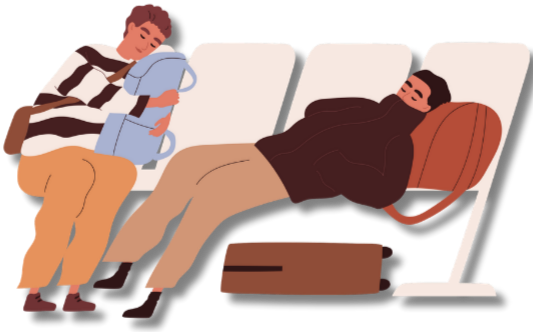
Sleeping in airports is all about staying visible and protected. Choose bright, busy areas near other travellers or close to security desks so you’re never isolated. Keep your bag physically attached to you — loop straps around your arm or leg so nobody can grab it while you’re asleep. Set alarms for boarding times and use a hoodie or eye mask to block light without fully disconnecting from your surroundings. The goal is comfort with awareness, not deep sleep.
2. What to pack for ANY trip
Packing smart means keeping things simple and predictable. Stick to one outfit per day plus one emergency outfit, and roll your clothes to save space. Keep liquids in a clear zip bag for fast security checks, and always pack chargers and a power bank in your carry‑on. A tiny “essentials kit” with meds, wipes, deodorant, and a toothbrush solves 90% of travel annoyances. This setup works for holidays, overseas trips, and quick weekends.
3. How to avoid airport security stress
Airport security becomes easy when everything is accessible. Keep electronics in a pocket you can open instantly, wear slip‑off shoes, and empty your pockets before you reach the line. Keep your passport and boarding pass together so you’re not fumbling. Avoid liquids over 100ml to prevent delays. The smoother your flow, the faster you get through without stress.
4. How to handle passport + boarding pass issues
Treat your passport and boarding pass like digital and physical backups. Take photos of both, store copies in cloud storage, and always check your passport’s expiry — many countries require six months validity. Screenshot your itinerary for visa checks and arrive early for international flights. These small habits prevent last‑minute panic and keep you moving even if something goes wrong.
5. How to avoid loneliness on solo trips
Solo travel becomes social when you put yourself in the right environments. Stay in hostels with common areas, join walking tours, and sit at shared tables where conversations start naturally. Use simple openers like “Where are you from?” and try local classes or events. If you want company without interaction, listen to audiobooks — they make solo moments feel lighter and more enjoyable.
6. How to avoid culture shock
Culture shock fades when you expect differences instead of resisting them. Learn a few basic phrases before arriving and be ready for new manners, pacing, and noise levels. Watch how locals behave and follow their lead. Accept confusion as part of the experience and focus on similarities rather than differences. This mindset keeps you grounded and open.
7. How to arrive at midnight safely
Late‑night arrivals require planning. Pre‑book your transport so you’re not searching outside alone, and stay inside the airport until your ride arrives. Choose hotels with 24‑hour reception to avoid being locked out. Keep your phone fully charged before landing. These steps make midnight arrivals feel controlled instead of risky.
8. How to navigate transport abroad
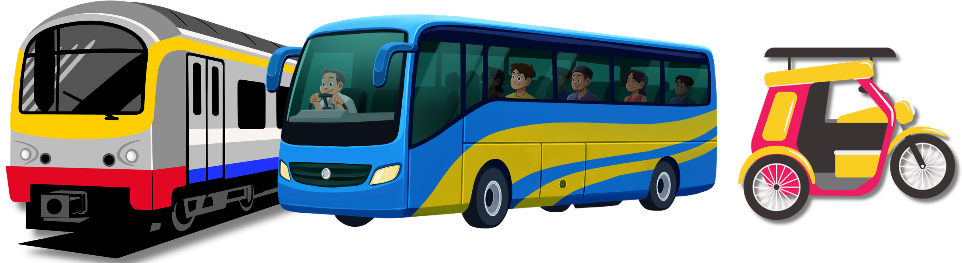
Transport abroad is easy when you stick to official options. Use taxi stands instead of random drivers, avoid scooters if you’re inexperienced, and check bus schedules since many run hourly. Rent cars only if roads are safe and predictable. Download offline maps before leaving WiFi — they’re a lifesaver when you’re lost or can’t get signal.
9. How to avoid itinerary overwhelm
The secret to stress‑free travel is doing less. Plan one or two main activities per day and leave space for spontaneous discoveries. Group attractions by area to save time and energy. Use a simple “must‑see / nice‑to‑see” list so you don’t feel pressured to do everything. Pick a theme instead of trying to cover the whole city.
10. How to make flying feel EASY instead of stressful
Flying becomes simple when you prepare early. Pack the night before, keep all documents in one pouch, and wear comfortable clothes. Bring snacks and a water bottle so you’re not relying on airport prices. Use a short pre‑flight checklist to stay calm and organised. Small habits make the whole journey smoother.
Living From One Backpack
If you’re working while travelling, your setup matters just as much as your clothes. Digital nomads don’t need a lot — but they do need the right tools to stay comfortable, organised, and productive on the road.
Download Your FREE Travelling Journal Here

Here are the items experienced nomads say make the biggest difference:
Tech Comfort
- A lightweight laptop stand (better posture, less neck pain)
- A small wireless keyboard + mouse (typing and precision feel normal again)
- Noise‑cancelling headphones (hostels, cafés, airports — lifesaver)
- A second tiny pair of earbuds for calls or quick listening
- A portable external monitor (optional, but many nomads swear by it)
Power & Charging
- A multi‑port USB‑C charger (one brick for everything)
- A small power strip (hotel rooms often have one outlet)
- A battery pack that can charge your laptop + phone
- Long charging cables (airport outlets are never close)
- A few tiny adapters (USB‑C, USB‑A, micro‑USB)
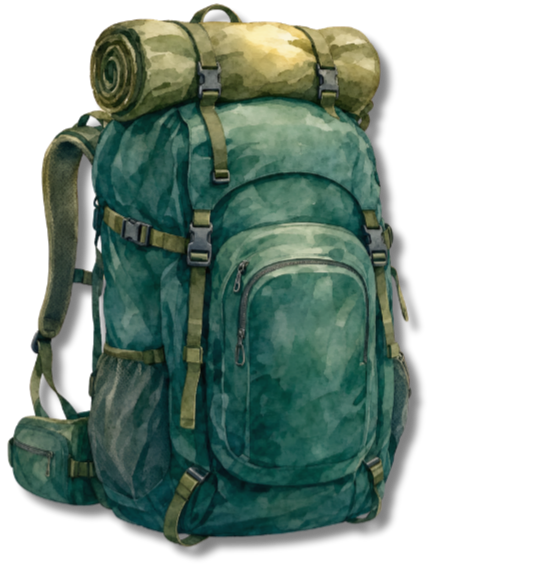 Backpacks That Works Well for Long‑Term Travel
Great all‑rounder for long trips.
Storage & Organisation
- A tech pouch for cables, dongles, chargers, SSDs
- Velcro strips to keep cables tidy
- A portable SSD for backups, files, and media
- A slim laptop sleeve to protect your device in transit
Everyday Work Items
- A small notebook + pen
- A phone stand (handy for calls, dual‑screen setups)
- A microfiber cloth for screens
- A simple passport wallet to keep documents in one place
Comfort & Practicality
- A scarf or sarong (works as warmth, privacy, or a quick cover)
- A towel (hostels don’t always provide one)
- A reusable spork or small cutlery set
- A tiny speaker if you like music in your room
Connectivity
- Local SIM cards for reliable data
- Optional: a MiFi hotspot if you need your own connection
Digital Nomad Safety Habits (Simple + Practical)
Staying safe while travelling isn’t about being paranoid — it’s about having smart habits that make your life easier. These are the small things experienced nomads do automatically, and they work anywhere in the world.
Stay Aware
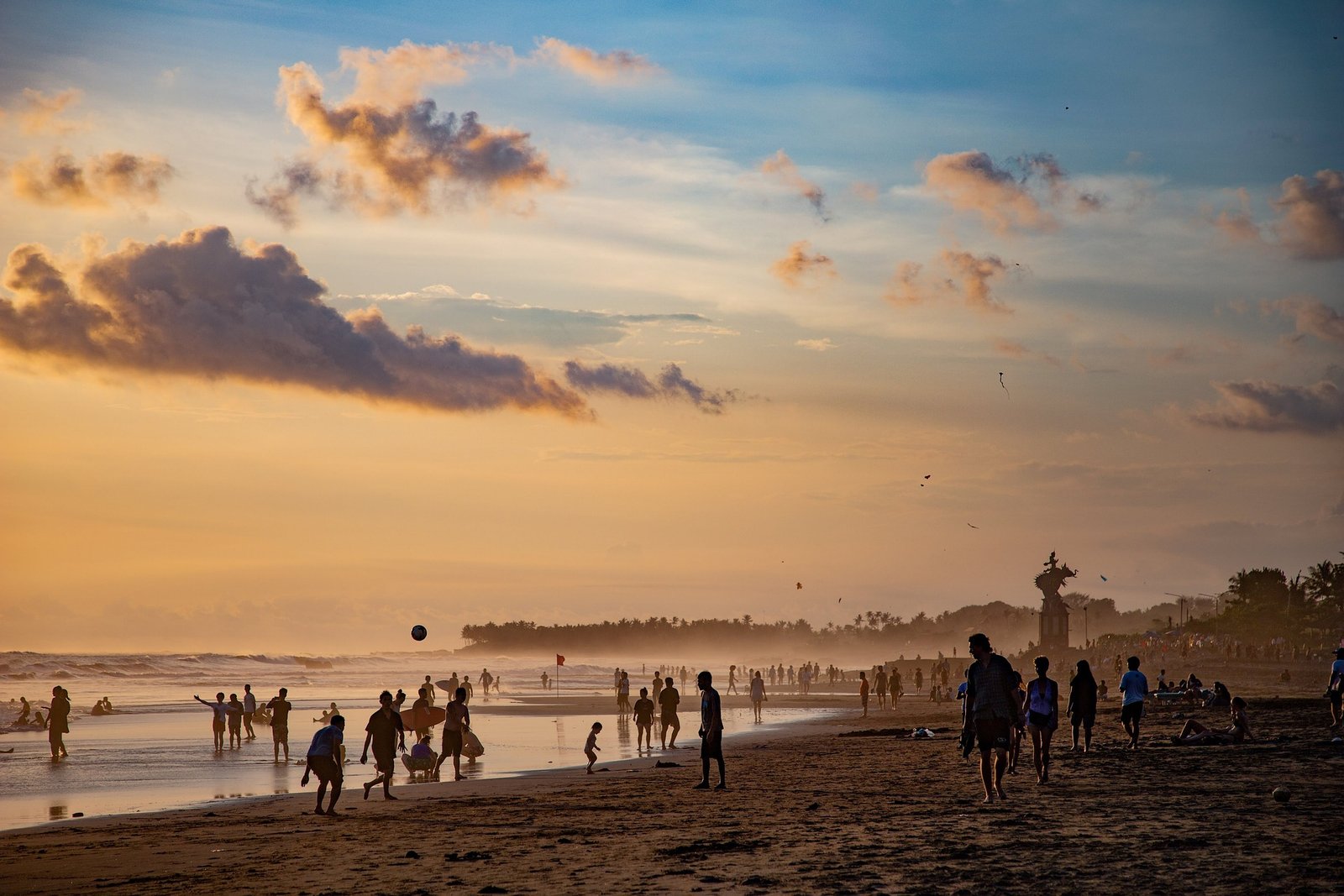
- Walk with purpose — don’t look lost or distracted.
- Never text and walk.
- Keep one part of your body touching your bag when sitting (strap around your leg, hand on the bag, etc).
- Avoid walking alone late at night in unfamiliar areas.
- If you’re unsure where you’re going, step inside a shop or café to check maps.
Protect Your Stuff
- Use a simple doorstop at night (tiny, cheap, effective).
- Keep your passport locked away — carry a printed copy instead.
- Don’t carry all your cards; keep backups hidden at your accommodation.
- Dress down and avoid showing expensive gear.
- Keep your backpack in front of you on trains, subways, and escalators.
- Hide high‑value items inside your room — don’t rely on hotel safes.
Money & Cards
- Carry only the cash you need for the day.
- Keep emergency cash hidden (sock, inside a shoe, or a tiny pocket).
- Use prepaid or low‑balance cards for daily spending.
- Transfer money as you go — don’t keep large amounts in your main account.
Phones & Tech
- Use a local SIM for daily use; keep your home SIM safe for banking logins.
- Avoid typing your phone passcode in public.
- Use a VPN on public Wi‑Fi.
- Carry a backup phone if you rely heavily on your main device.
Transport & Movement
- Use rideshare apps instead of random taxis when possible.
- Schedule flights to arrive during daylight.
- Learn basic phrases in the local language (hello, thank you, excuse me, help).
Social Situations
- Watch your drink — never leave it unattended.
- Avoid confrontations — leave your ego at home.
- Don’t accept food, drinks, or gifts from strangers unless you feel 100% safe.
- If someone approaches you on the street, politely say “no thanks” and keep walking.
Download Your Travelling Journal Here
Extra Safety Tips for Women (Digital Nomad Edition)
Women often travel differently, and these habits come from female nomads who’ve learned what actually helps:
Personal Safety
- Avoid sleeping alone on beaches or isolated areas.
- Trust your gut — if someone feels off, leave immediately.
- Choose accommodation with good reviews specifically mentioning safety.
- Share your live location with a trusted friend when meeting new people.
Nightlife & Socializing
- Don’t drink so much that you lose awareness.
- Keep your drink in your hand at all times.
- If you go out, tell someone where you’re going and when you expect to be back.
- Avoid going to bars alone in unfamiliar cities.
Movement & Appearance
- Dress like locals when possible — blending in helps.
- Avoid showing expensive jewellery, watches, or designer bags.
- Walk confidently and avoid stopping in quiet areas.
Documents & Identity
- Don’t carry your passport unless absolutely required.
- Keep a digital copy of your passport and ID stored securely.
Accommodation
- Use a doorstop or door alarm at night.
- Lock your valuables inside your bag, not in the room safe.
Safety isn’t about fear — it’s about habits. The more you travel, the more these become automatic. Stay aware, stay respectful, trust your instincts, and build routines that make you feel confident wherever you go.
Safe travels, and enjoy the freedom of working from anywhere.