The idea of backpacking sounds simple: throw a few things into a pack, hit the road, and enjoy the adventure. In reality, many travellers discover that the biggest problems aren’t caused by the destination. They’re caused by small mistakes that seem harmless before the trip begins.
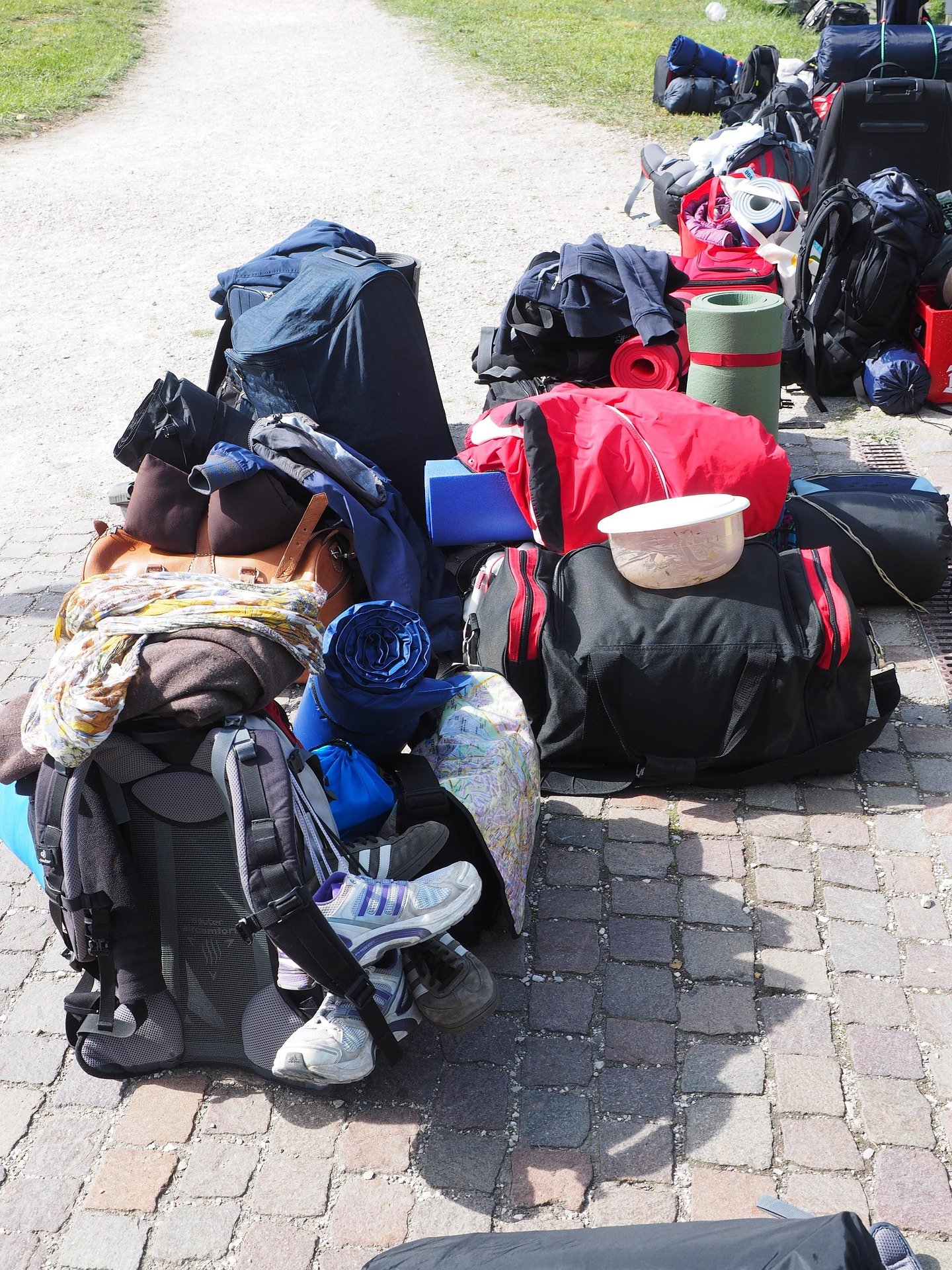
One of the most common lessons backpackers learn is that less really is more. Beginners often pack extra clothes, gadgets, books, and “just in case” items that never get used. The problem is that every kilogram feels heavier after a long day of walking. What seemed useful at home quickly becomes dead weight. Experienced travellers often find themselves using only a fraction of what they originally packed.
Another mistake is underestimating the importance of water. Many travellers assume they’ll easily find water along the way, only to discover that fountains are closed, streams are dry, or shops are farther away than expected. Running low on water can turn a pleasant day into a stressful one very quickly. It’s always better to carry a little more than you think you’ll need.
Footwear is another area where mistakes become painful fast. New boots that feel comfortable in the shop can create blisters after hours of walking. Shoes that haven’t been properly tested can lead to sore feet, ankle pain, and miserable travel days. Comfortable footwear is one of the most important travel investments you can make.
Weather catches many backpackers off guard. People often pack according to the forecast without considering how quickly conditions can change. A warm morning can turn into a cold evening. Clear skies can become heavy rain. Having a lightweight rain jacket and a few layers can make the difference between being comfortable and being miserable.
Get Your Free Travel Journal Here→ Capture every memory before it slips away.
Arrive Feeling Refreshed → Give your neck the support for that 11-hour flight.
Many travellers also make the mistake of leaving preparation until the last minute. They buy gear they have never used, carry equipment they haven’t tested, or follow routes they haven’t researched properly. Backpacking becomes much easier when you know exactly how your gear works before you leave home.
Food is another area where experience matters. Some travellers pack far too much and end up carrying unnecessary weight. Others don’t bring enough and spend days feeling tired, hungry, and low on energy. Lightweight, high-calorie snacks are often worth their weight in gold when long travel days become harder than expected.
Perhaps the biggest lesson of all is not to overcomplicate things. Many first-time backpackers spend weeks worrying about every possible problem. The reality is that most things can be bought, replaced, borrowed, or figured out on the road. Flexibility is often more valuable than carrying extra gear.
Backpacking doesn’t require perfect planning or expensive equipment. It requires common sense, adaptability, and the willingness to learn from small mistakes. The travellers who enjoy themselves the most aren’t necessarily the ones with the best gear. They’re the ones who pack light, stay flexible, and focus more on the experience than the contents of their backpack.
The goal isn’t to carry everything you might need. It’s to carry what matters and leave room for the adventure.
Backpack The World Without Carrying Your House
Backpacking for months means one thing: pack light, pack smart, and pack only what you’ll actually use. Most travellers overpack, especially when switching between cold and hot climates. The real trick is layering, versatility, and buying things as you go.
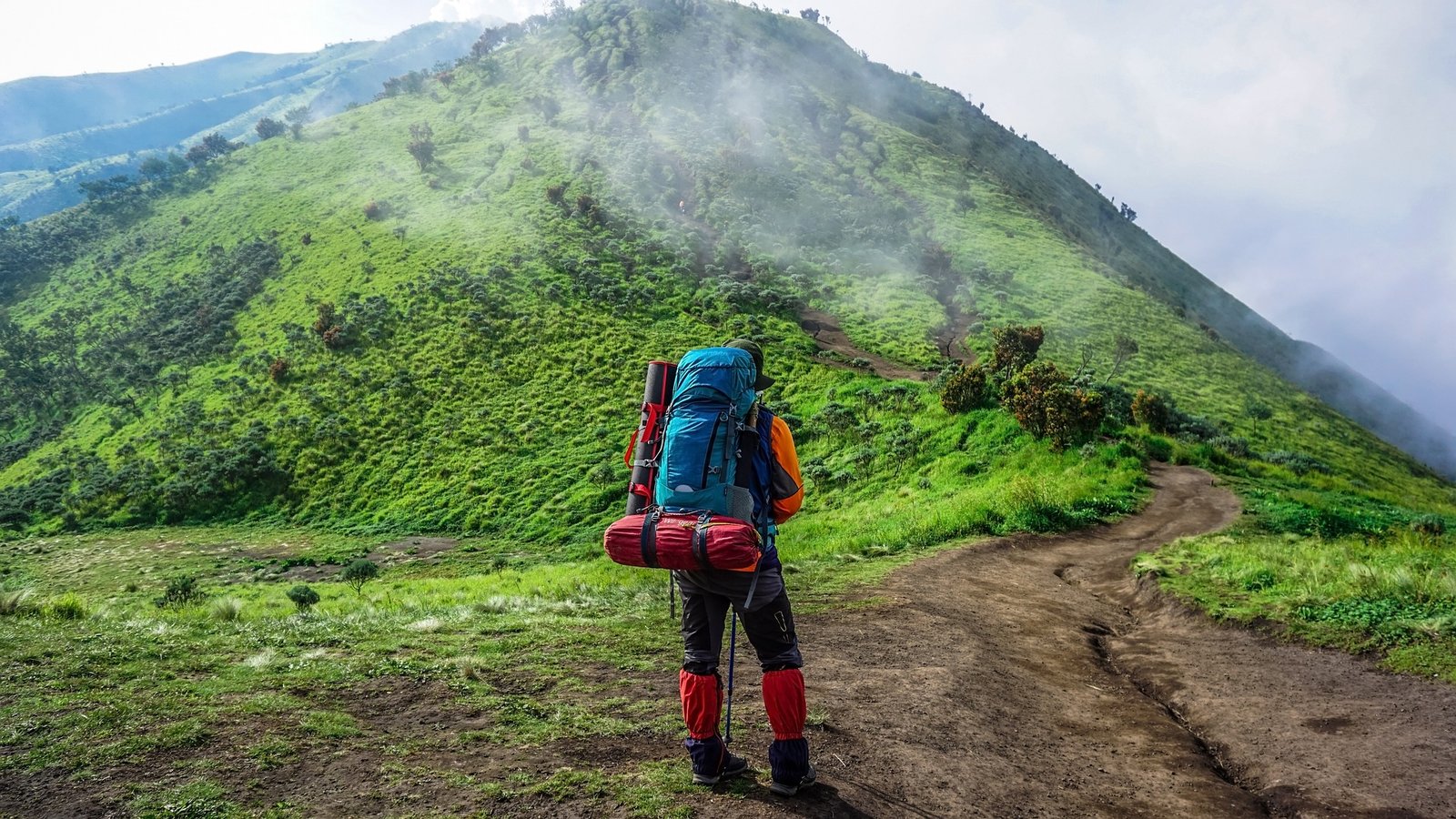
Cold + Hot Weather Packing
- You don’t need a bulky winter coat — use layers instead (thermal top, thermal leggings, thin merino jumper, packable down jacket, rain shell).
- If cold weather is only at the start, mail your winter gear home when you leave the cold region.
- A simple black dress or basic outfit can replace formal clothing — you won’t need anything fancy.
Clothing Essentials
- Build a capsule wardrobe: practical pieces you can mix and match.
- Merino wool tops and socks = warm, breathable, odour‑resistant, and easy to wash.
- Choose multipurpose items: – shorts that double as swimwear – scarf/pashmina that works as a cover‑up, sun protection, or evening layer – packable down jacket that doubles as a pillow
- Bring good quality clothes you won’t mind wearing often.
- Avoid jeans unless they’re lightweight — they take forever to dry.
Footwear
- Flip‑flops or sandals (pick one).
- Comfortable walking shoes or trail runners.
- Boots only if you truly need them — they’re heavy.
Toiletries & Hygiene
- Shampoo/conditioner bars (lightweight + no liquids).
- Menstrual cup (if relevant).
- Deodorant you actually like — some countries have limited options.
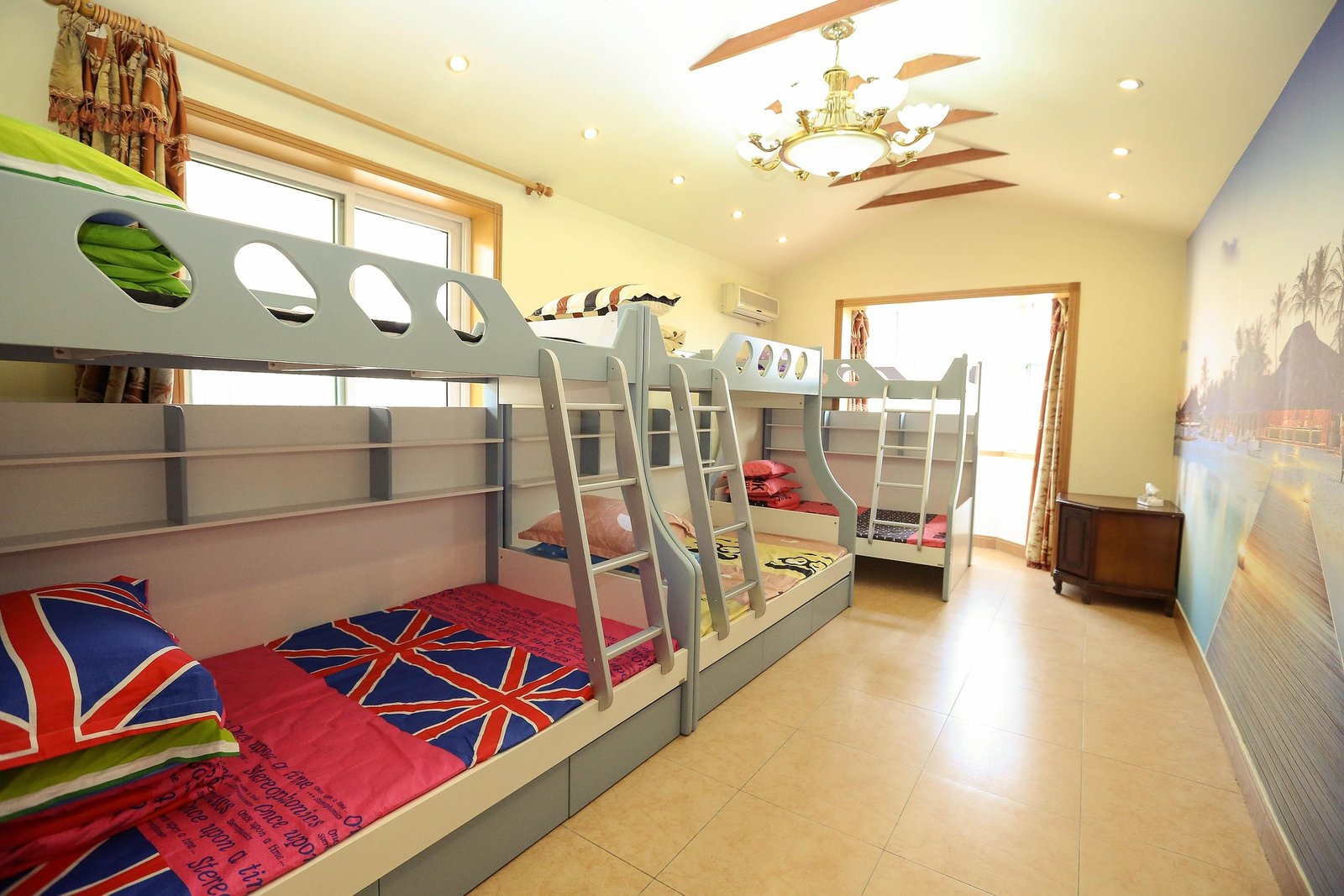
- Microfibre towel (optional but useful in hostels).
- Basic first aid: painkillers, stomach meds, band‑aids, antifungal cream, electrolytes.
Gear & Tools
- Packing cubes or compression bags (huge space saver).
- Universal power adapter + small power strip.
- Paracord clothesline.
- Silk sleeping liner (optional — some hostels ban sleeping bags).
- Water filter if travelling in countries with unsafe tap water.
- Earplugs for hostels.
- Cheap waterproof watch with dual time zones.
Tech
- Keep tech minimal — phone + charger is enough for most backpackers.
- Laptop only if you truly need it.
- Power bank is essential.
- You can buy electronics in big cities, but not always in rural areas.
General Backpacking Wisdom
- You can buy almost anything on the road.
- Keep your pack light — you’ll walk more than you expect.
- Hostels provide bedding — sleeping bags are rarely needed.
- Plan the first few days, then stay flexible.
- Don’t overthink it — backpacking is simpler than people make it.
Choosing a Backpack for Long Trips
If you’re backpacking overseas or planning a week‑long camping and hiking trip, your backpack becomes one of the most important pieces of gear you carry. Comfort, support, and size matter more than the brand, and the right pack depends on how much you’re carrying and how you travel.
For trips where you’re hiking during the day and camping at night, aim for a pack in the 50–65L range. This gives you enough room for clothing, food, and shared gear without becoming too heavy. If you’re carrying bulkier items like a synthetic sleeping bag or part of a tent, you may need the higher end of that range.
Fit is everything. A pack that doesn’t sit right on your hips or shoulders can make a short walk feel like a long one. If possible, try a pack in person with weight added so you can feel how it carries. Adjustable torso length and a padded hip belt make a huge difference on longer days.
Get Your Free Travel Journal Here→ Capture every memory before it slips away.
Arrive Feeling Refreshed → Give your neck the support for that 11-hour flight.
If you’re keeping your total weight under 35 lbs, lighter internal‑frame packs work well. If you’re carrying more or want extra support, choose something with a stronger frame and more structure. Renting a pack for a week is also an option if you want to test sizing before buying.
Whether you’re travelling overseas or heading out for a 7‑day hike, choose a backpack that feels comfortable, fits your body, and matches the amount of gear you actually plan to carry.
Backpacking isn’t about getting everything perfect — things will go wrong sometimes. You might lose something, forget something, or end up somewhere unexpected. Stay calm, adapt, and keep moving. Most problems become stories later.
The Post- Travel Crash Nobody Talks About
Many first-time backpackers dream about escaping routine, travelling the world, meeting new people, and waking up every day somewhere different. But one of the biggest regrets discussed by long-term travellers isn’t what happened during the trip. It’s what happens when they come home.
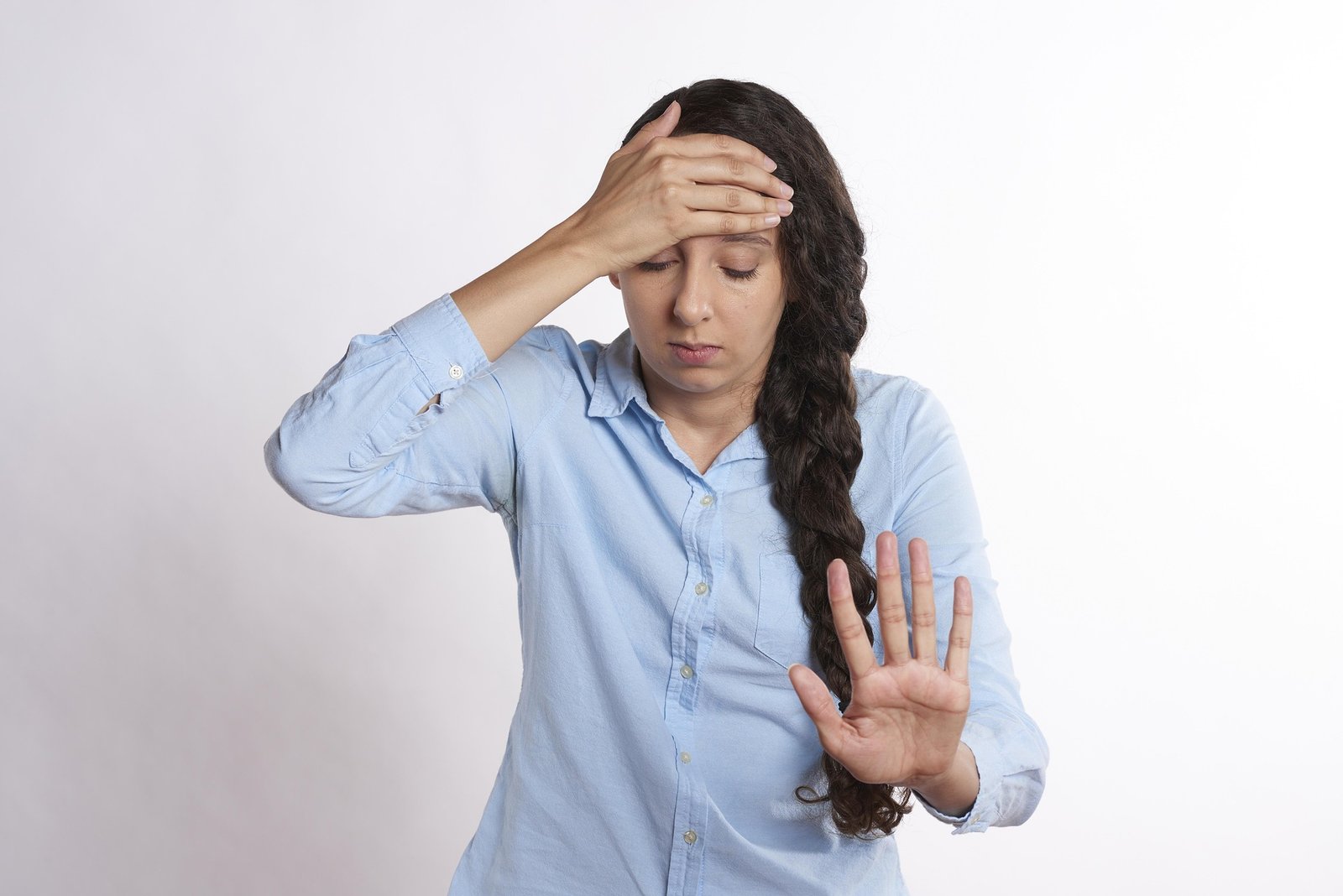
After months of adventure, everyday life can suddenly feel dull. Studying, working, and dealing with normal responsibilities seem insignificant compared to exploring a foreign city, riding scooters through Southeast Asia, or meeting people from cultures you’ve never experienced before.
The mistake many backpackers make is believing that travel is “real life” while everything at home is meaningless.
During a long trip, you’re constantly exposed to novelty. New foods, new languages, new friends, and new challenges stimulate your brain every day. It’s exciting because everything feels different. Then you return home and life slows down. The contrast can feel overwhelming.
Many experienced travellers say they went through the same thing after their first big adventure. Some described it as a breakup. Others called it the post-travel crash.
One common regret is romanticising travel and viewing home life as a prison. When you’re travelling, you’re usually seeing the best parts of a destination. You’re not dealing with daily commutes, paying rent, stressful jobs, or the challenges locals face every day. You’re experiencing a temporary adventure, not everyday reality.
Another lesson travellers learned was that backpacking alone doesn’t solve deeper dissatisfaction. If someone is unhappy with their life before travelling, they may discover that the excitement of being overseas only temporarily masks those feelings. Eventually the same questions return.
Many experienced backpackers also regretted neglecting long-term goals. While travel creates incredible memories, education, skills, and careers often create the freedom to travel more in the future. Several travellers shared that finishing university, building careers, or developing valuable skills ultimately gave them more opportunities to see the world.
Others learned that travel becomes more enjoyable when it is part of a balanced life rather than an escape from one.
Get Your Free Travel Journal Here→ Capture every memory before it slips away.
Beat Post-Flight Dullness → A simple way to feel more awake and look less travel-weary.
Perhaps the biggest takeaway was that backpacking doesn’t have to be all or nothing. You don’t need to choose between adventure and responsibility. Many travellers found ways to combine both through study abroad programs, remote work, international careers, teaching overseas, or simply planning future trips while building their lives at home.
The world will still be there next year.
The real goal isn’t to escape real life forever. It’s to build a life that allows you to keep exploring it.
That’s the lesson many backpackers wish they understood after their first long trip abroad. The adventure doesn’t end when you come home. It simply becomes part of who you are.
The Truth About Moving Abroad: It’s Not the Country, It’s Often the Lifestyle
Scroll through social media long enough and you’ll eventually see someone claiming that moving abroad completely transformed their life. They swapped a stressful existence in the US, Canada, Australia, or the UK for a relaxed life in Mexico, Thailand, Portugal, or Bali. Suddenly they’re happier, healthier, and seemingly free from the pressures they left behind.
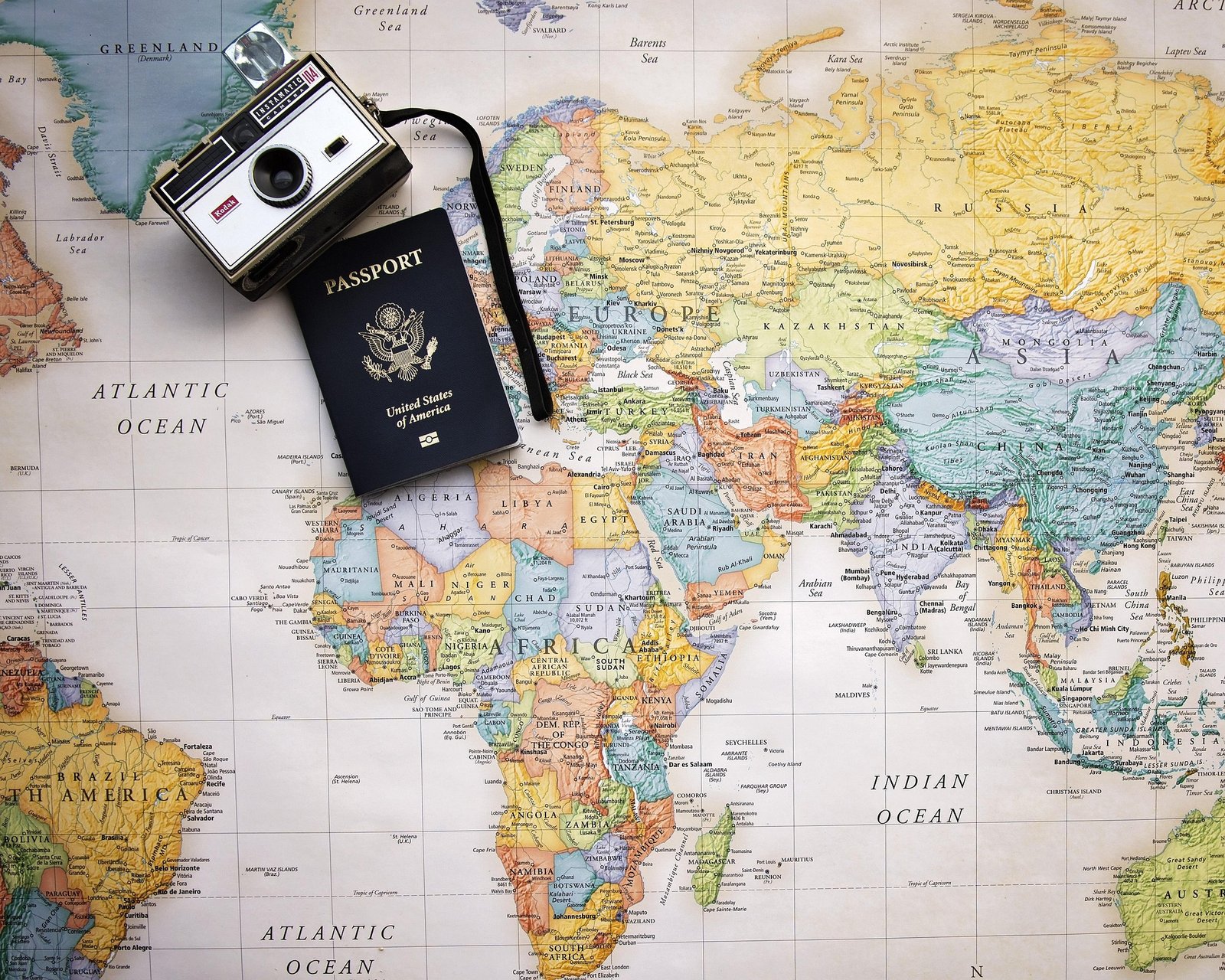
While those experiences may be genuine, they don’t always tell the full story.
The reality is that for many people, the biggest change isn’t the country itself. It’s the lifestyle their income allows them to enjoy once they arrive.
Someone earning a salary from a high-income country while living in a lower-cost destination will naturally experience a higher standard of living. A nicer apartment, more meals out, regular travel, affordable services, and less financial stress can dramatically improve day-to-day life. Under those circumstances, almost any destination can feel like paradise.
Get Your Free Travel Journal Here→ Capture every memory before it slips away.
Arrive Feeling Refreshed → Give your neck the support for that 11-hour flight.
That’s not because one country is magically better than another. It’s often because money stretches further.
Imagine earning the equivalent of a professional salary in a country where living costs are a fraction of what they are back home. Your rent consumes less of your income, your leisure budget increases, and you suddenly have more freedom and flexibility. Most people would feel happier in that situation regardless of where they lived.
This isn’t to dismiss the genuine benefits of living overseas. Different cultures, climates, languages, food, and social attitudes can absolutely improve someone’s quality of life. Many people discover that another country better matches their personality, values, or preferred pace of living.
However, moving abroad isn’t a cure-all.
Personal struggles don’t automatically disappear when your address changes. Loneliness, career uncertainty, relationship problems, anxiety, and a lack of direction have a habit of following people wherever they go. A plane ticket can change your environment, but it can’t completely change who you are.
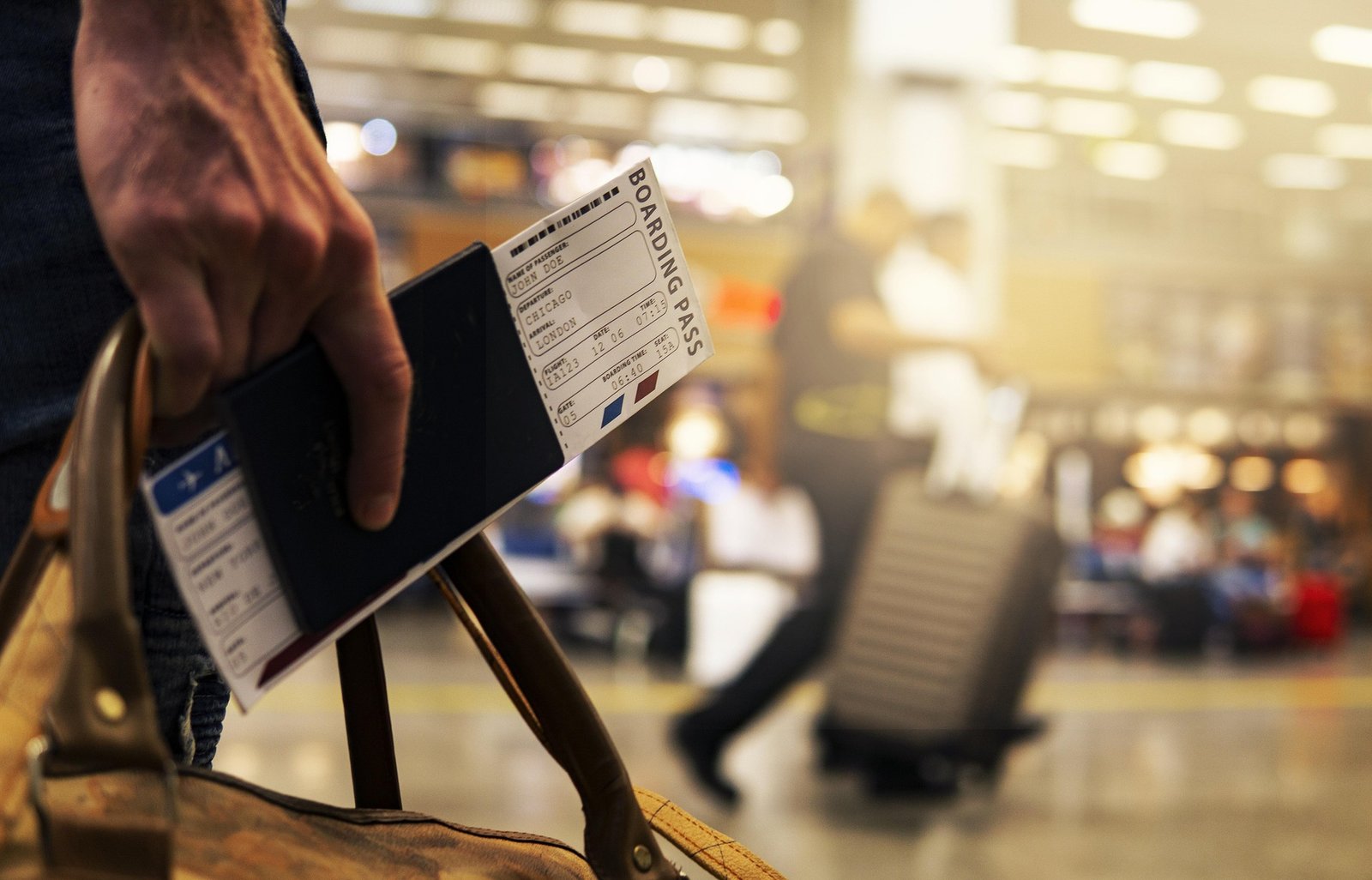
That’s why many long-term travellers eventually discover that every location comes with its own trade-offs. A country with a lower cost of living may have different challenges relating to healthcare, infrastructure, bureaucracy, language barriers, or long-term career opportunities. No destination is perfect.
Another factor often overlooked is perspective.
When visitors or remote workers praise how affordable and relaxing a destination is, they’re experiencing it through the lens of foreign income. The reality for many local residents can be very different. What feels affordable to someone earning in dollars, pounds, or euros may not feel affordable to someone earning local wages.
This doesn’t mean people shouldn’t move abroad. It simply means the conversation is often more complex than social media headlines suggest.
In the end, a better life is usually built on more than geography alone. Financial stability, meaningful work, strong relationships, personal growth, and good health play a far bigger role in long-term happiness than a pin on a map.
Moving abroad can be one of the most rewarding decisions a person ever makes.
Get Your Free Travel Journal Here→ Capture every memory before it slips away.
Arrive Feeling Refreshed → Give your neck the support for that 11-hour flight.
Just don’t expect a new country to do all the work.
A change of scenery can open new doors, but lasting fulfilment usually comes from what you build after you arrive.
Safe travels — you’ve got this.