After reading through hundreds of comments from backpackers and day hikers, several clear themes appeared again and again.
Most People Buy Bigger Than They Need
One of the most common regrets was buying a backpack that was too large. Many backpackers started with 50L, 60L or even 70L packs, only to realise later that a smaller backpack would have been lighter, more comfortable and easier to organise.
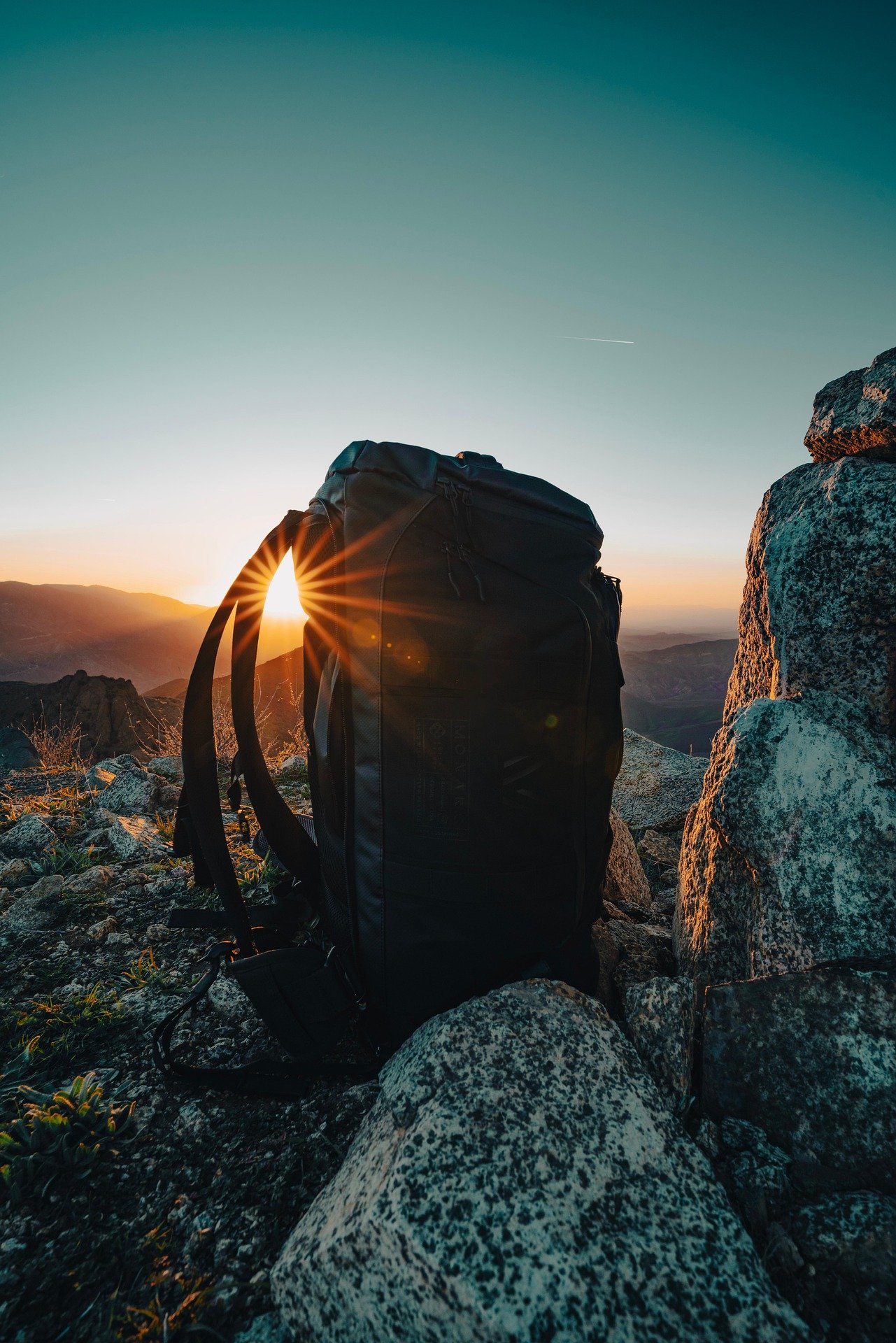
Several experienced backpackers said they eventually downsized after learning what they actually used on their trips.
The Size of Your Gear Matters More Than the Number of Days
Many backpackers explained that trip length doesn’t automatically determine backpack size.
A person carrying lightweight and compact gear may comfortably travel for several days with a 40L pack, while someone carrying older or bulkier gear may need 60L or more.
One backpacker summed it up perfectly:
Don’t buy a backpack based on how many days you’ll travel. Buy it based on the equipment you need to carry.
Backpack Fit Is More Important Than Capacity
Many users said their biggest improvement wasn’t switching backpack sizes.
It was finding a backpack that actually fit their torso and hips correctly.
Common advice included:
✅ Measure your torso length
✅ Try the pack with weight inside
✅ Adjust the hip belt first
✅ Don’t assume bigger people need bigger backpack sizes
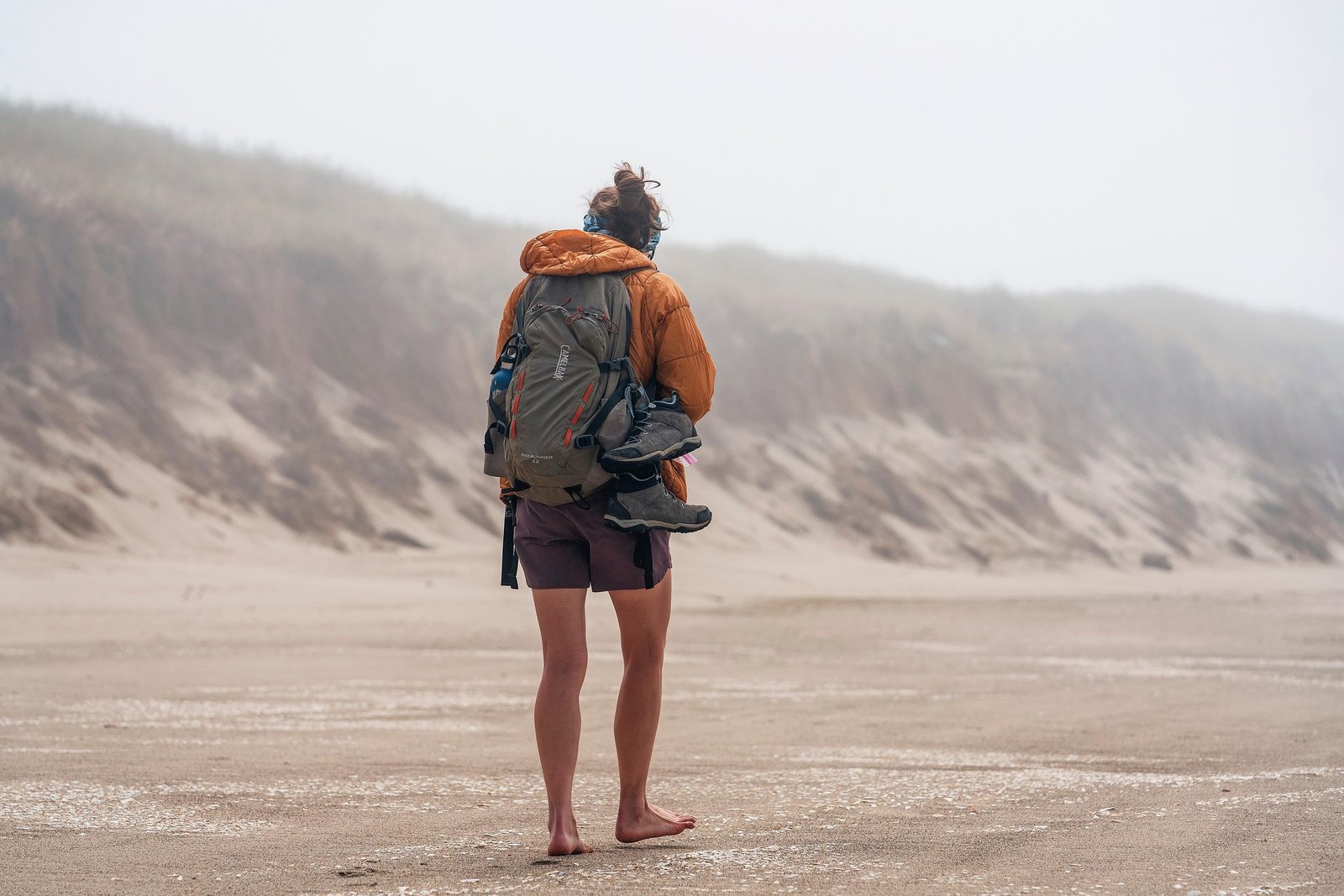
Many backpackers reported that the correct fit made a much bigger difference than having extra litres.
What Sizes Were Mentioned Most Often?
20-25L
- Day hikes
- Travel around town
- Essentials only
- Water, snacks and an extra layer
25-30L
- Most commonly recommended all-round day hiking size
- Food, water, rain gear and extra clothing
- Popular choice for beginners
35-45L
- Overnight trips
- Hostel-to-hostel travel
- Lightweight multi-day trips
- Winter day hikes
50-70L
- Multi-day backpacking
- Camping gear
- Tents and sleeping bags
- Extended adventures
Backpackers Often Carry Less Than Beginners Expect
Several experienced travellers reported using:
- 20L packs for day trips
- 35L packs for technical hikes
- 45-50L packs for weeks of travel
- 50L packs for most 3-season backpacking trips
Many pointed out that food is often the only major difference between a short trip and a longer trip.
Features Backpackers Praised Most
Instead of talking about brand names, backpackers frequently mentioned:
✅ Comfortable hip belts
✅ Good ventilation on the back panel
✅ Lightweight construction
✅ Easy-to-adjust straps
✅ Internal frames
✅ Hydration bladder compatibility
✅ Plenty of external pockets
Many said comfort became far more important than extra compartments or fancy features.
The Biggest Piece of Advice
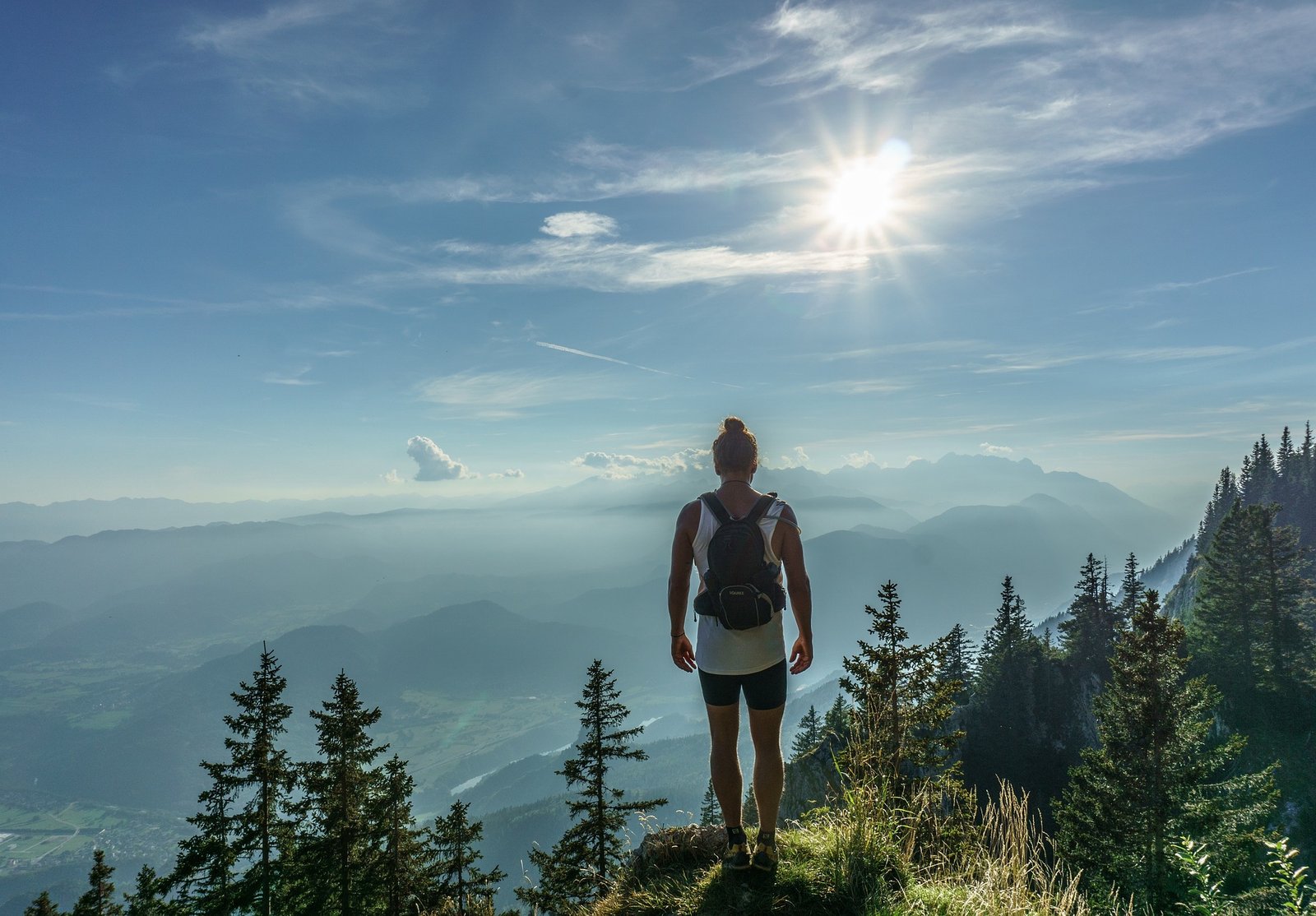
If there’s one lesson that appeared over and over again, it’s this:
Buy the smallest backpack that comfortably fits your gear, not the biggest backpack you can find.
Many backpackers found that a 25L-30L pack was perfect for day trips, a 35L-45L pack covered most overnight and travel needs, and 50L+ was usually reserved for camping, winter gear or multi-day adventures.
This is a much more realistic picture of what actual backpackers reported using in the real world.